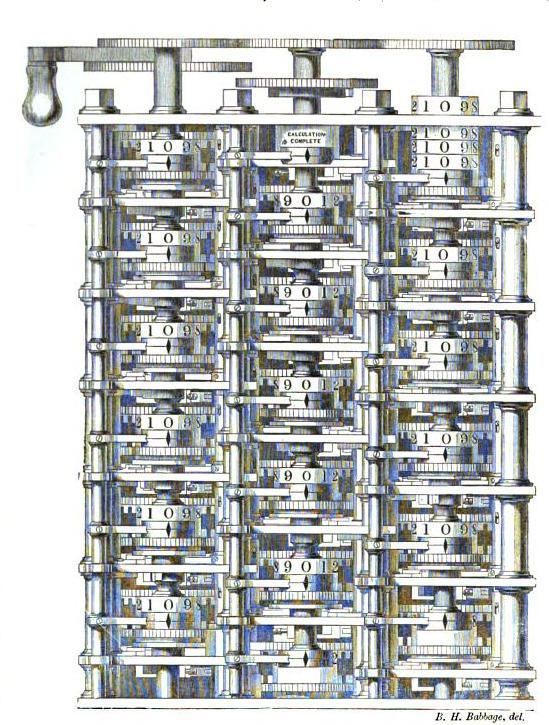
Figure 1
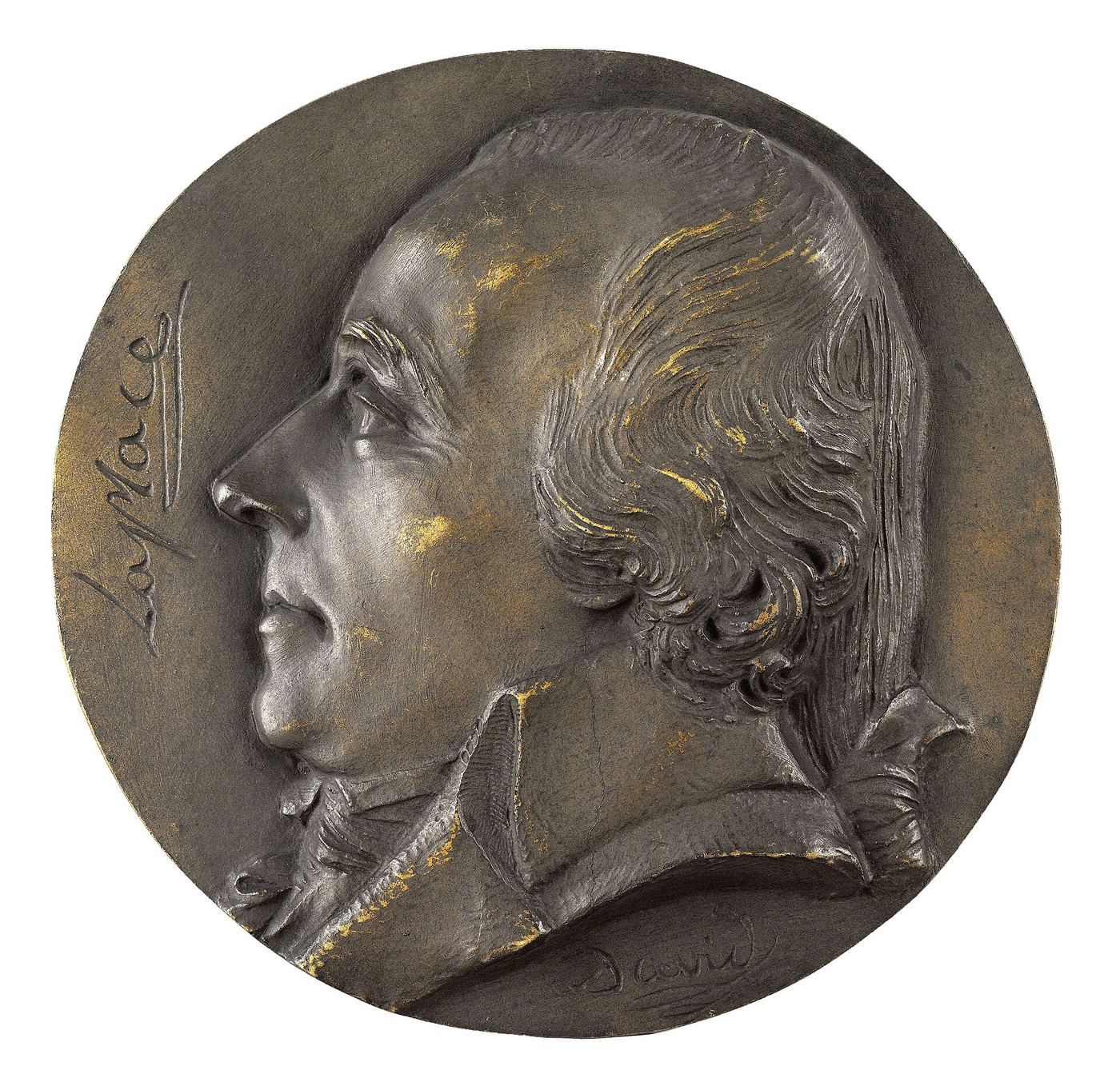
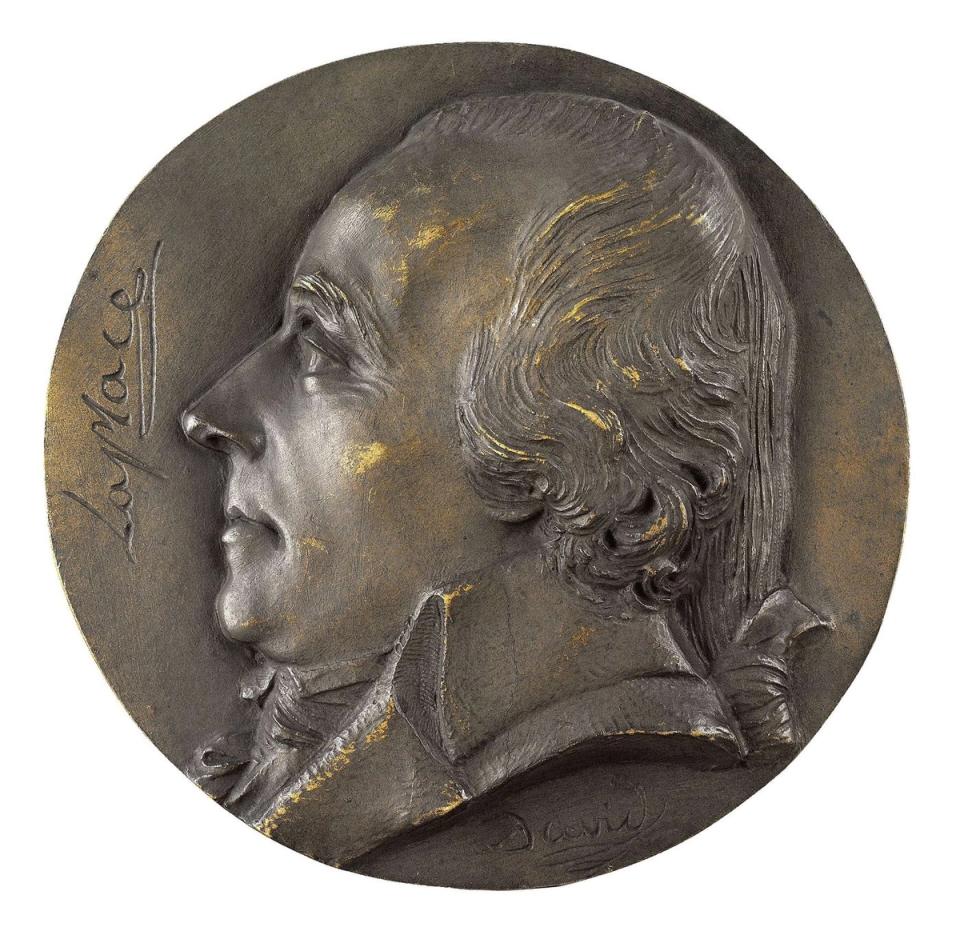
In 1814, Pierre-Simon Laplace imagined an intellect that knew the position of every particle in the universe. For such an intellect, he wrote, “nothing would be uncertain, and the future, like the past, would be present to its eyes.” The demon was a thought experiment, but the century that followed built its machines in the demon’s image. A properly made machine was a small clockwork universe: same input, same output, forever.
The Victorians turned this into a social contract. They trusted the railway signal box and the marine chronometer because such things had no moods. When a member of Parliament asked Charles Babbage whether his calculating engine would give the right answers if fed the wrong figures, Babbage confessed himself unable “rightly to apprehend the kind of confusion of ideas that could provoke such a question.” The whole point of a machine was that the question could not arise. Determinism was what let strangers rely on machinery they did not understand and had never met.
Figure 2
Software, determinism’s temple
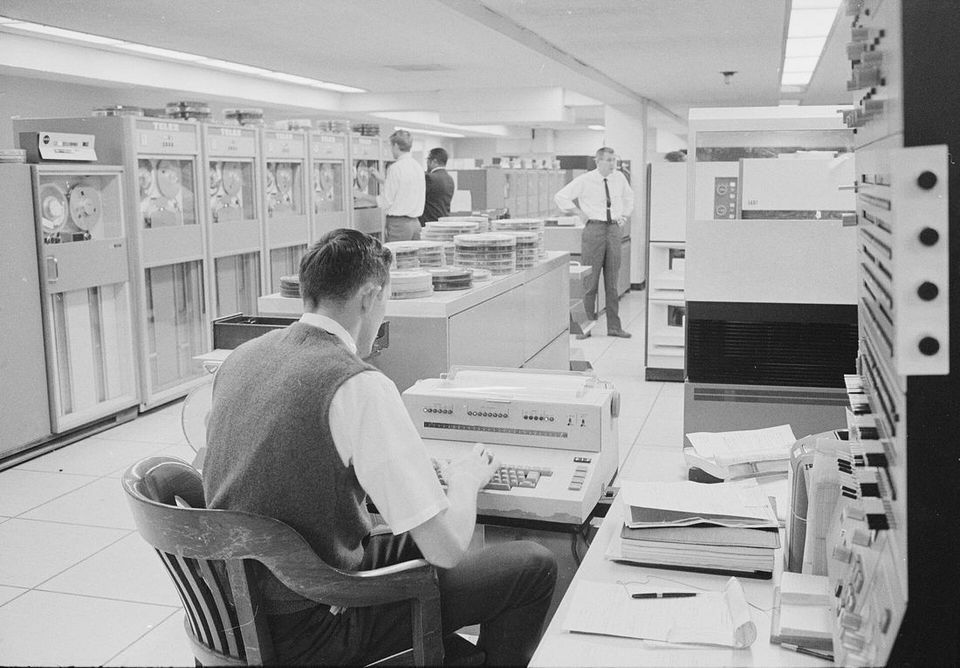
Software perfected the covenant. A classical program is among the most deterministic artifacts humans have produced: its behavior is, in principle, derivable from its text and its inputs. Our entire apparatus of digital trust rests on that property. Debugging is replay. Testing is repetition. Version control — Git, fittingly — is a deterministic history of change, each state hash-chained to the last. An auditor of software does not need to watch it work; she can re-run it.
For two hundred years, a machine’s claim on our trust has been its predictability.
The probabilistic hire
The newest machines are not predictable, and not by accident. A large language model is probabilistic by construction; ask an agent the same question twice and you may get two different answers, both plausible, neither predictable in practice from its weights. Its usefulness and its unpredictability are the same property. We have, for the first time since before the industrial revolution, hired workers whose behavior cannot be read off their blueprint.
We spent two centuries making work mechanical so that we could trust it. The newest machines have returned us to the oldest problem: trusting a worker you cannot fully predict.
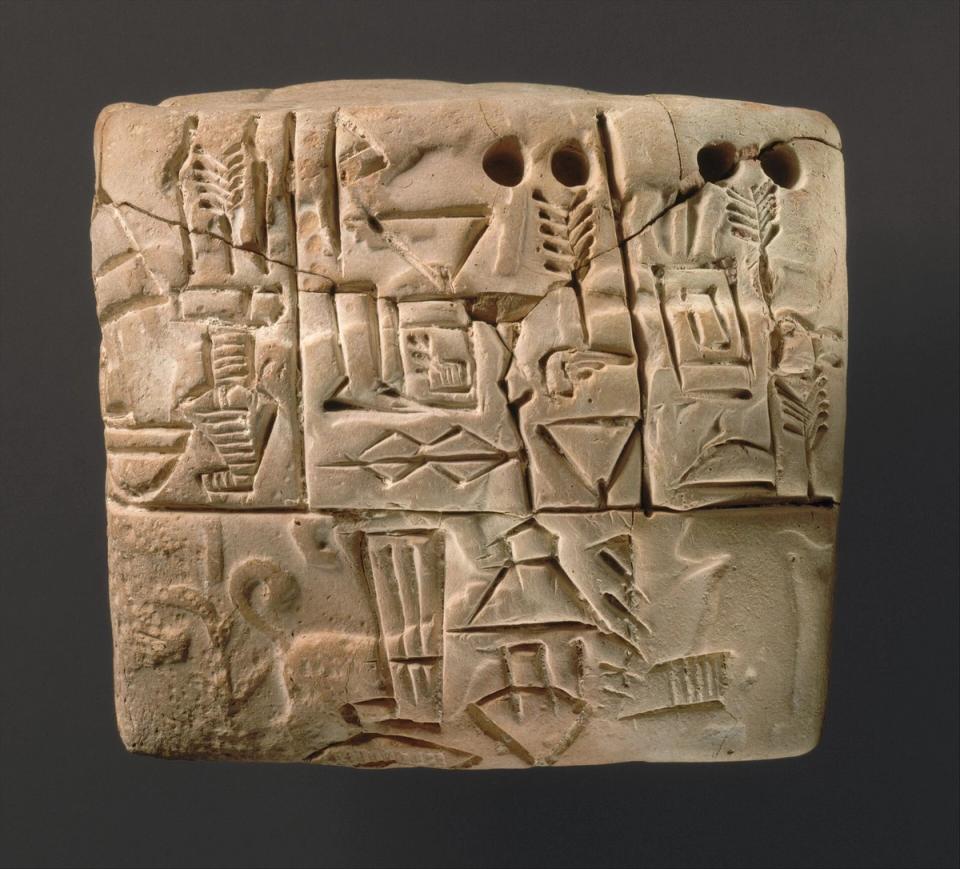
Historians know this problem well, because every society before the factory had it. Human workers have always been stochastic, and no oath ever made a clerk infallible. So no society solved the problem by making the worker deterministic. It made the record deterministic: the witness, the notary’s seal, the guild mark, the audit, and above all the double-entry ledger — books that must balance, kept so that any competent stranger, at any later date, reaches the same arithmetic: a record that stays checkable even when it is not honest. Unpredictable people, checkable records. The modern economy was built on that arrangement.
Determinism moves up a level
Call the emerging settlement neo-determinism. It accepts that the workers — human and machine alike — are now irreducibly probabilistic, and it responds the way Venice did, not the way Laplace would have: by relocating determinism from the worker to the record of the work. What must be reproducible is not the agent’s behavior but the verification of its claims. What was “done” must be defined before the work begins; the evidence for it must be fixed and tamper-evident; and the check itself must be mechanical, so that anyone holding the record, re-running it tomorrow or in ten years, reaches the same verdict from it.
From this distance, the probabilistic turn in computing looks less like a rupture than a reversion. For most of human history, determinism lived in the books, not in the workers; the clockwork universe was a two-century detour. The books that must balance are the older, sturdier idea.
This is the wager Verified is built on: let the workers stay probabilistic, since that is where their power comes from, and make everything around them deterministic — a contract that defines done before the work begins, evidence committed and hashed, verification anyone can replay. Determinism didn’t die. It moved into the record.