Figure 1
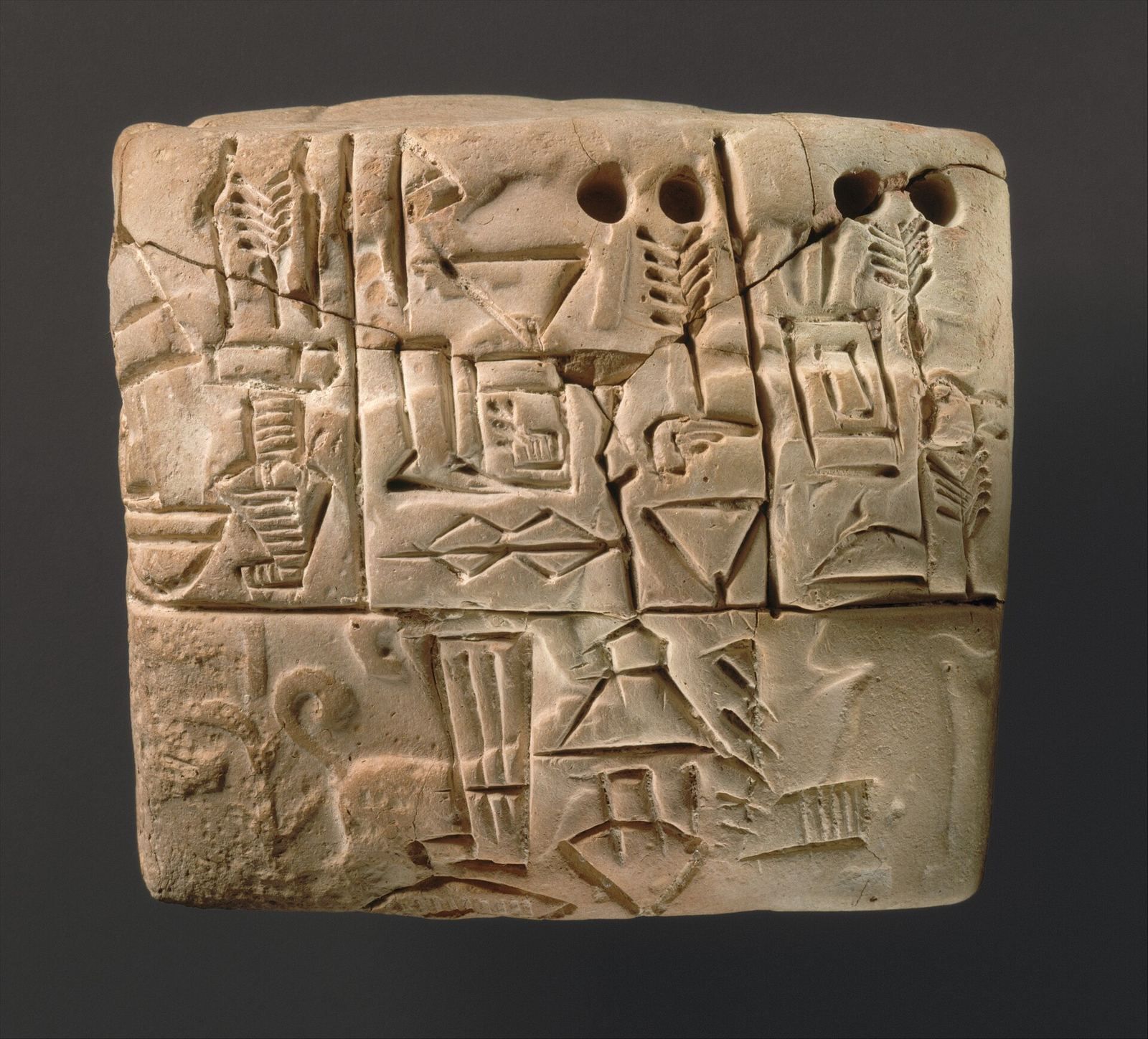
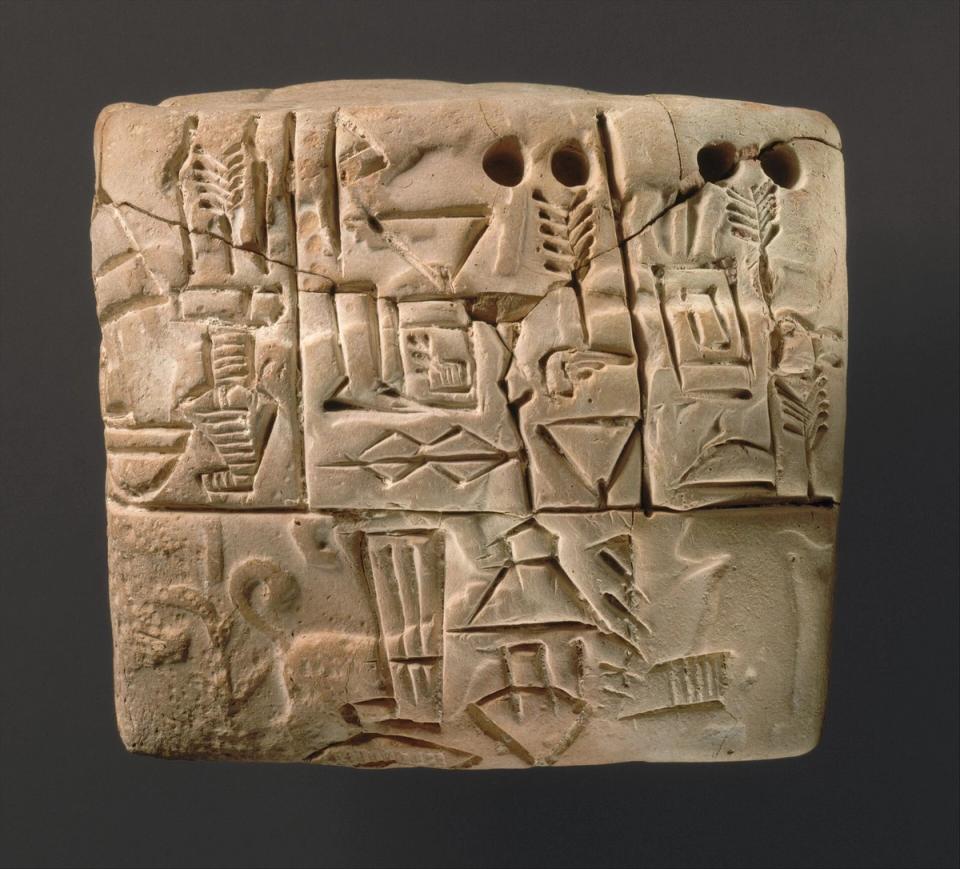
The oldest written documents humanity possesses are not poems, prayers, or the deeds of kings. They are work records. The clay tablets of Uruk, pressed some five thousand years ago, tally rations of barley and beer owed to laborers: so many workers, so many days, so much grain. Writing itself, many scholars following Denise Schmandt-Besserat believe, grew out of an older system of clay tokens used to track obligations: a cone for a measure of grain, a cylinder for an animal. Literature came later. First came the ledger.
When human beings finally invented a way to make thought permanent, we used it to write down who did what, and who owes whom for it. “What is work?” sounds like a question for philosophers. For five thousand years it has been answered by bureaucrats with styluses: work is what can be recorded.
Witnessed, then written
For most of history the record was thin, because proof was social. Work was what your village saw you do. The harvest was its own evidence; the apprentice worked under the master’s eye; the guild put its mark on the finished piece because the guild had watched it being made. Trust traveled as far as witnesses did. An economy of witnessed work is an economy of villages.
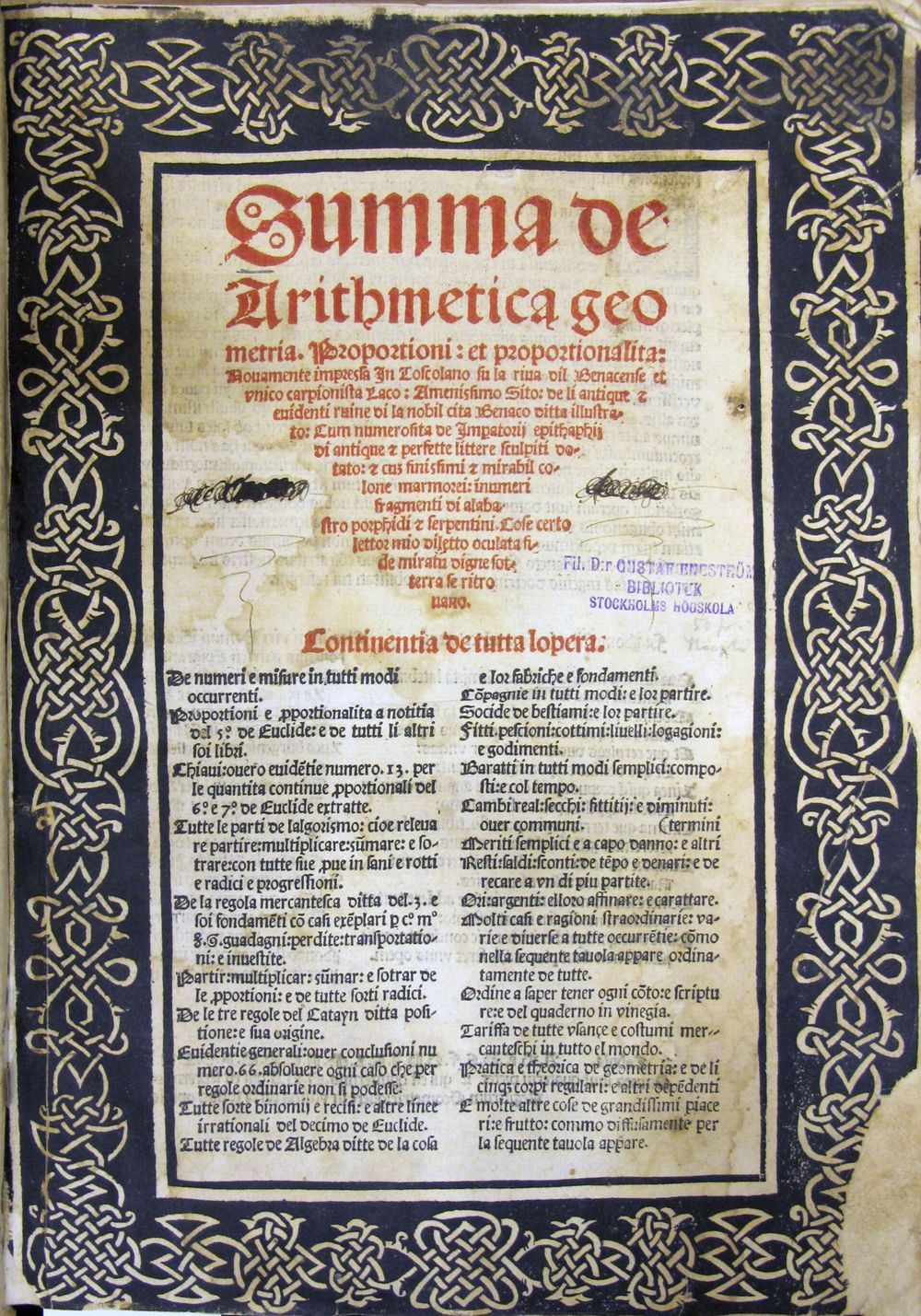
The merchants of medieval Venice and Genoa broke that limit with a technology we now find too boring to admire: double-entry bookkeeping. Codified by Luca Pacioli in 1494 but practiced for two centuries before, it did something witnesses could not. It made claims about work and value checkable at a distance, by strangers, after the fact. Courts in many jurisdictions came to admit well-kept books as evidence. A merchant’s credit was his ledger. Commerce scaled because proof scaled.
Figure 2
Work becomes a unit
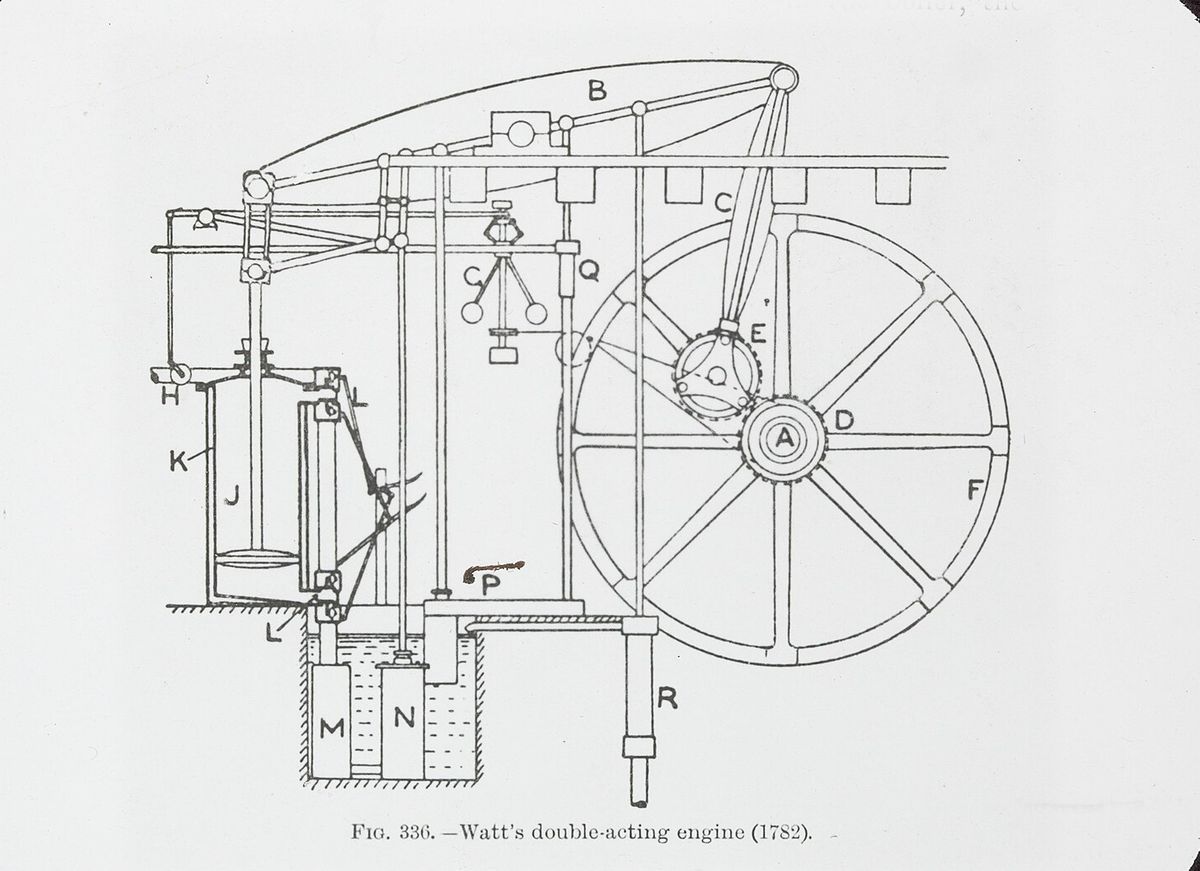
Here the history of commerce crosses the history of science, because the first workers whose output was measured precisely were not people. They were engines. In the 1780s James Watt needed a way to sell steam: his firm priced its engines against the horses they replaced, so he defined a unit, the horsepower: some 33,000 foot-pounds every minute, measured against London brewery horses. Boulton & Watt then billed royalties as a share of the coal saved. The quantitative measure of work entered commerce not from the lecture hall but as a billing instrument for machine labor.
Figure 3
Science then made the unit universal. In 1829 Gaspard-Gustave Coriolis gave the quantity its name, travail: force exerted through distance. In the 1840s James Prescott Joule showed that mechanical work and heat convert at a fixed rate, which made work the common currency of every physical change; thermodynamics was built on that equivalence, and the unit of energy still bears his name. By mid-century, an engineer could state what an engine had done in numbers any other engineer, anywhere, could verify.
The factory of 1850 could state its engine’s work to the decimal. For the weaver standing beside it there were piece-rates and opinions, but no comparable physical unit. Machines got an objective measure of work done. People, in the end, got a clock.
The attendance bargain
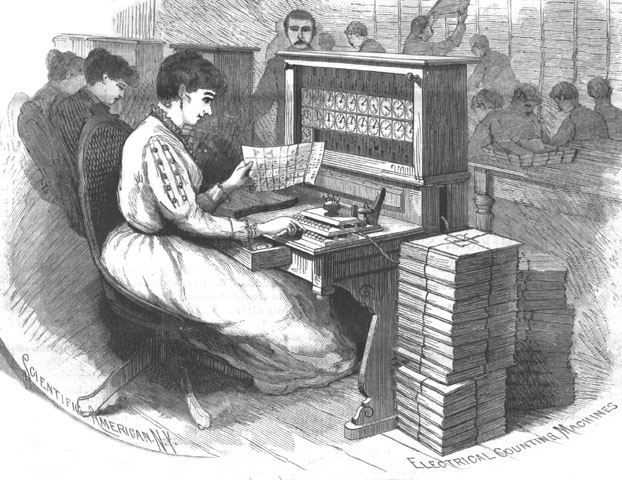
Then the factory posed a problem the ledger could not cheaply solve. When three hundred people and a steam engine jointly produce a bolt of cloth, who produced what? Attribution was often intractable, so industry largely stopped trying and measured what was easy instead: time. The historian E. P. Thompson documented how the factory bell and the punch clock taught humanity a wholly new discipline, and with it a new definition. Work became attendance.
Figure 4
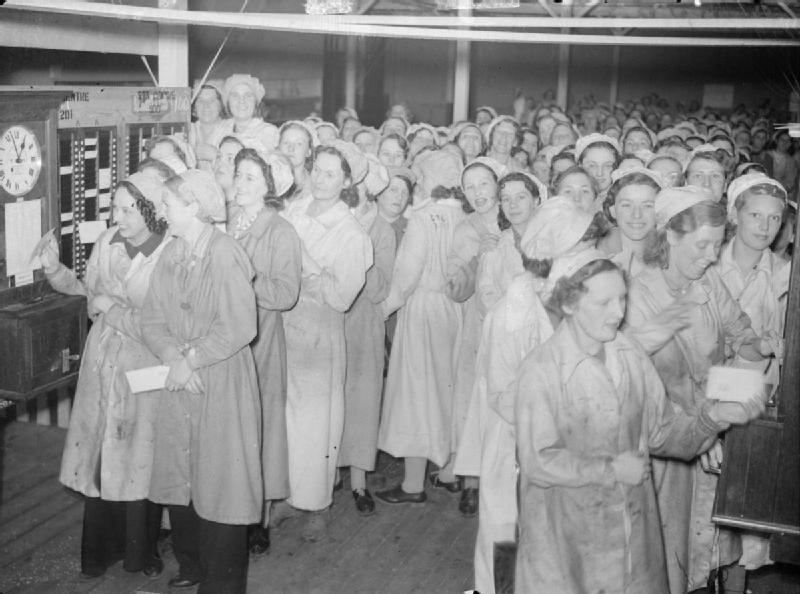
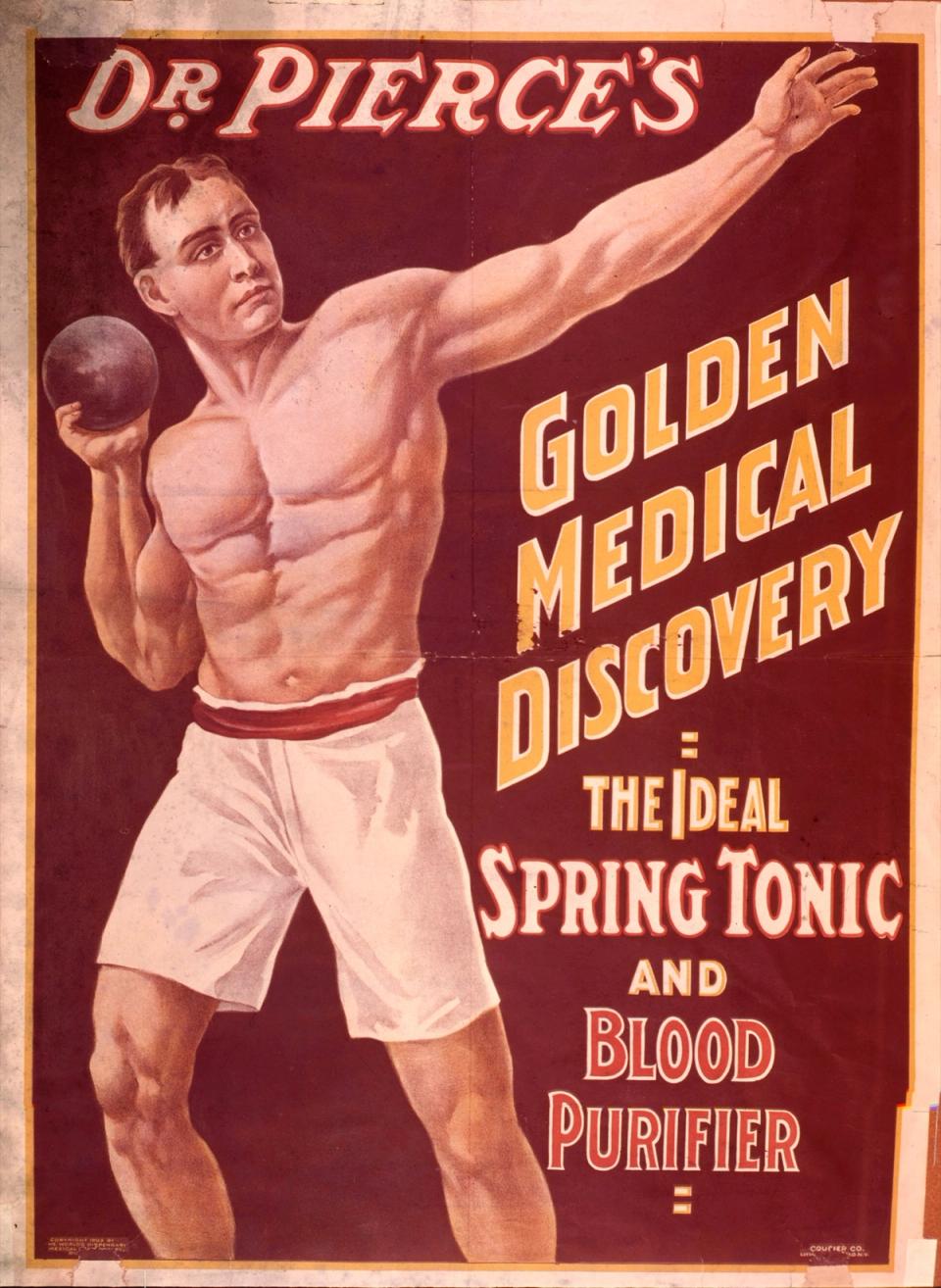
We did not start paying for hours because hours mattered. We started paying for hours because hours were what we could verify.
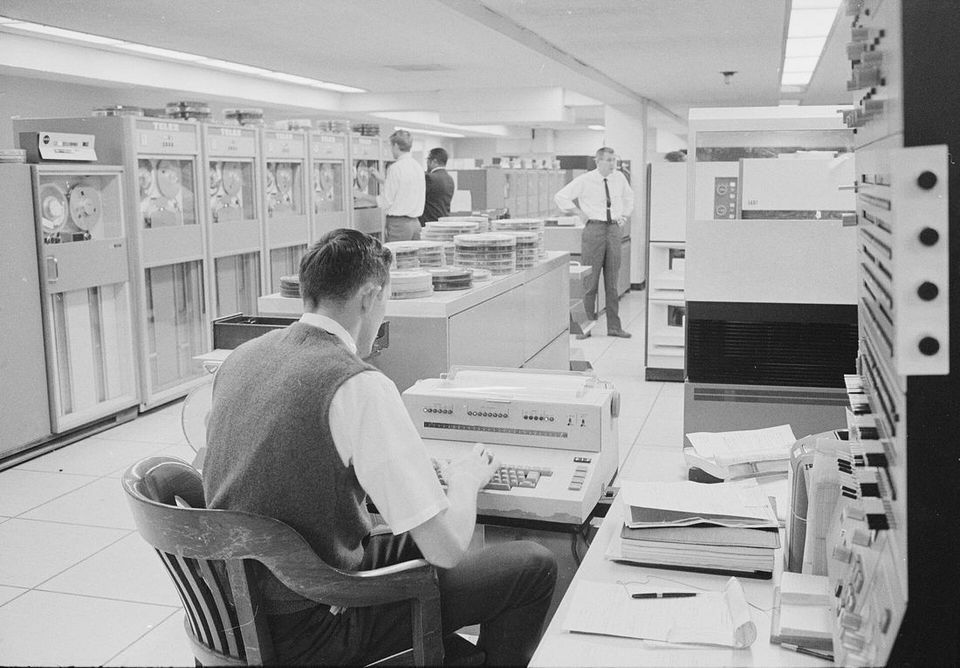
It was always a proxy, and everyone knew it. The twentieth century stretched the proxy thinner. Offices filled with what Peter Drucker called knowledge workers, whose output could not be seen from a supervisor’s walkway at all. We kept the attendance bargain anyway, because the alternative, verifying outcomes, remained too expensive. Presence in a building became presence in a meeting, then a green dot in a chat application. The absurdity became undeniable the moment work went remote and the building disappeared.
The proxy dies
Now software agents work. They release orders, match invoices and post journal entries at machine speed, around the clock. And they have broken the attendance bargain for good, because a machine’s attendance is meaningless. An agent is always present. Its hours cost nothing and prove nothing. For the first time since the factory bell, the economy employs workers for whom the time-proxy does not even make sense as a fiction.
So the oldest question returns, stripped of five thousand years of proxies. What is work? The historical record suggests the answer was never really about effort, or hours, or even people. Every era has defined work as whatever its technology of proof could make checkable: witnessed by the village, balanced in the books, stamped by the clock. Each time the technology of proof expanded, so did the economy built on it.
Work, then, is a claim about a change in the world that someone else can test. Everything else is activity.
The tablets of Uruk were a technology of proof for grain and labor. Double-entry was one for trade. Coriolis’s unit was one for machines, though it answered a narrower question: whether force moved matter. The question now is whether an action moved the business. At Verified, we are building what we think comes next — what we call a System of Proof: for work done by machines and people, tested against the systems of record where business reality lives. Among the first written words were work records. So, we suspect, will be among the next ones.