Skip to the protocol

One claim, one file,
checked without us

Accountability needs a record that holds up without us in the room. The Work Verification Protocol turns a unit of work into a portable Work Record: the claim, the contract that defines “done,” the signed evidence, and the decision, sealed into one file.

Anyone holding that file, whether a customer, an auditor or a counterparty, can re-run the check on their own machine, offline, against keys they trust, and reach the same decision.

From a claim to a record

  1. Name the work

    An agent or person claims a completed unit of work, such as an order being released. The claim names the evidence it relies on.

    Producer
  2. Sign where it happened

    The producer’s signer reads the source system per claim and signs each statement. Raw business data stays with the producer.

    Producer
  3. Check every condition

    A pure evaluator tests the claim against the Work Contract: SUPPORTED, CONTRADICTED or UNDETERMINED, with a result for every numbered condition.

    Verified
  4. Keep the whole check

    The claim, contract snapshot, signed evidence and decision travel in one Work Record. Each component is bound by digest.

    Verified
  5. Reach the same decision

    Anyone holding the file can re-run the rule on its packaged inputs and compare decisions, offline, using their own trusted keys.

    Relying party

One record, the same decision

The agent may behave differently each time. The check must not.

The written specification is the authority. The rule is fixed in the record.

The check runs on signed, packaged evidence. Anything that varies between honest runs stays out.

Independent verifiers reproduce the decision, byte for byte. On their own machines, against keys they trust.

Inside a deterministic decision

  • VerdictSUPPORTED
  • Numbered conditionsEach result
  • Claim · contract · evidence · ruleDigests

The inputs that let another verifier reproduce the decision

Verifier A=Verifier B

Two honest verifiers must produce the same decision, byte for byte—even on different machines, at different times. The record therefore contains only facts independent verifiers can agree on.

The written rule is the authority. A second implementation is built from the specification alone. Both must agree across the published conformance corpus; a disagreement calls for fixing the specification.

Today, the implementations and corpus share one author. An implementation by someone else is the point of publishing the specification; the public corpus makes that agreement inspectable.

Rigor, with its limits stated

A proof, a test and an assumption are different kinds of assurance.

64

Machine-checked theorems

Selected properties of the protocol model, proved in Lean 4

What is proved

Selected parts of the protocol are modeled in Lean 4 (v4.24.0, no Mathlib). Theorems establish properties of those models. Where the contract prose disagrees with the formal definition, the Lean definition governs and the prose is corrected.

The theorems are audited in CI down to Lean’s standard axioms and replayed through the kernel.

The verdicts are characterized exactly: every requirement true gives SUPPORTED; one false requirement gives CONTRADICTED.

Stability under new evidence requires an explicit hypothesis. Proved counterexamples show why each part matters: a late record or withdrawn completeness statement can overturn a decision.

50,000

Generated differential cases

Replayed against the Rust verifier. Agreement is evidence, not proof.

How it is tested

The Lean reference evaluator, wvp-oracle, reproduces the contract conformance corpus.

Generated cases are replayed differentially against the Rust verifier, across seeds. Differential testing asks whether implementations agree with the model.

A Work Contract compiler

Can a Work Contract preserve its meaning from draft to deterministic evaluation?

The goal is a pipeline that is correct by construction. A formally specified evaluator is not a verified compiler; the current system is not there.

Where the work stands

Proved, of the model
A model of the lowering step is meaning-preserving.
Tested
The evaluator’s lowering is tested against that model, rather than proved.
Proposed
Typed representations are a written proposal.
Not built
No zero-knowledge backend exists.
Explore the research direction

A contract already goes through a narrow compilation process. Ambiguities must be resolved—an incomplete listing, a record after the cutoff—before a fixed artifact reaches the evaluator.

The research extends that pipeline, including the possibility of checking selected properties through zero-knowledge backends without disclosing underlying records.

A formally specified evaluator is not a verified compiler. A proof that the compiled artifact preserves the source’s meaning is the bar; the current system is not there.

Work on these open problems

Six answers. Never one “valid.”

Each property gets its own result. The source’s truthfulness is never one of them.

Package integrityEstablished

Recompute component digests and the manifest commitment.

Evidence signaturesEstablished

Check each statement’s signature against the relying party’s key registry.

Signer authorityEstablished

Check that the key is registered for the issuer, tenant and source system.

Decision reproducedEstablished

Re-run the rule on packaged inputs and compare decisions.

Evaluation semanticsProved, of the model

Selected properties are proved in Lean 4, about a formal model.

Source truthfulnessNever claimed

No check establishes that the source system told the truth.

Requirements & design choices

What a relying party needs

The package file, its own trust registry and one executable, run offline.

What it still supplies itself

Which keys it accepts, and that the written rule means what it should.

Why this shape

Source data stays home.

The signer reads per claim, never in bulk. Only signed statements leave the producer.

The record is self-contained.

The ledger consumes the same artifact; it is not the source of truth.

It works without us.

A check that depended on our infrastructure would still be our word.

All public developer previews: drafts, with their status stated in each repository. The argument for why this layer should exist is in the Journal: Systems of Proof. Questions, objections, hard cases: hello@beverified.ai.

About the images

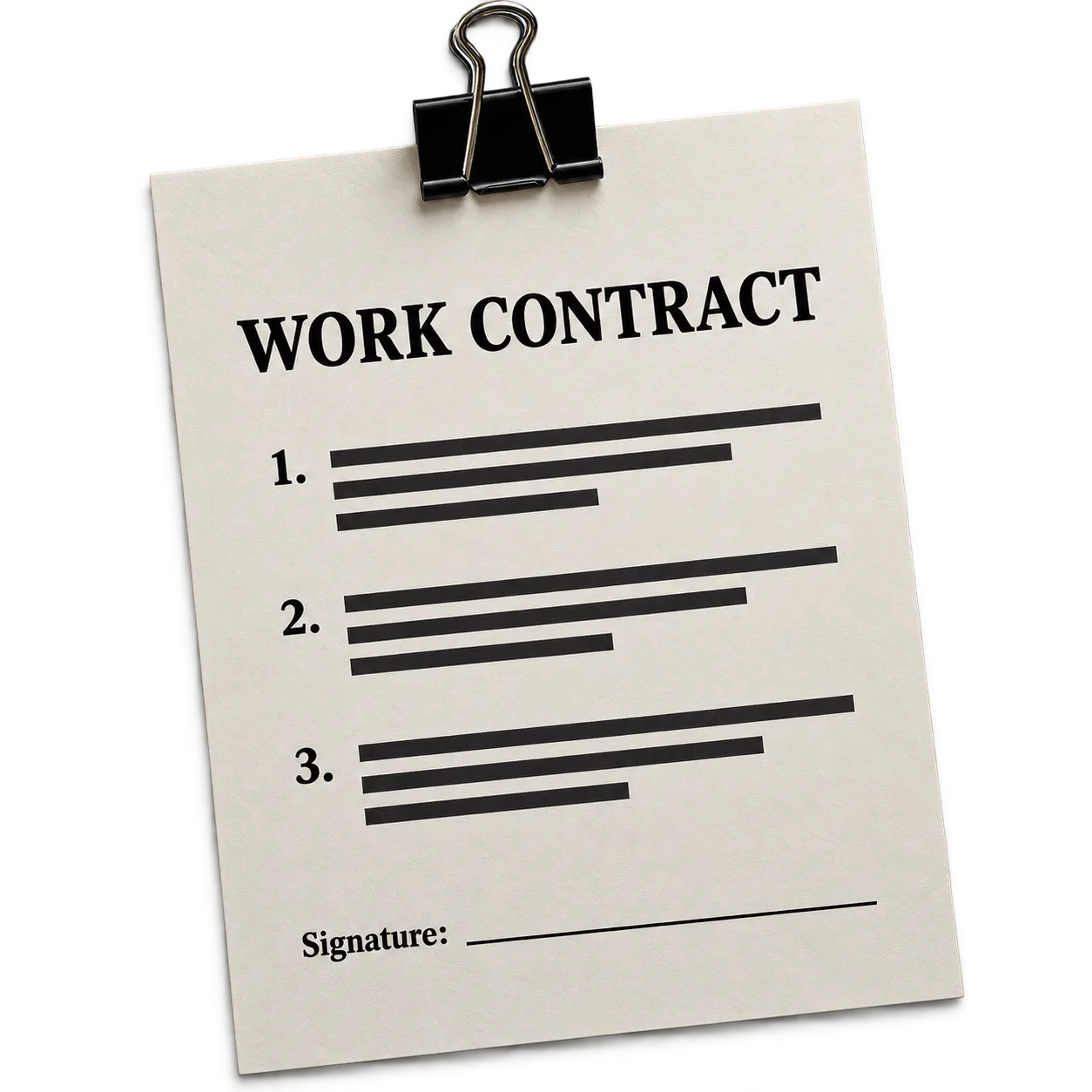
The Work Contract and sealed document bundle are generated illustrative object photographs. They represent fixed rules and signed, packaged evidence.

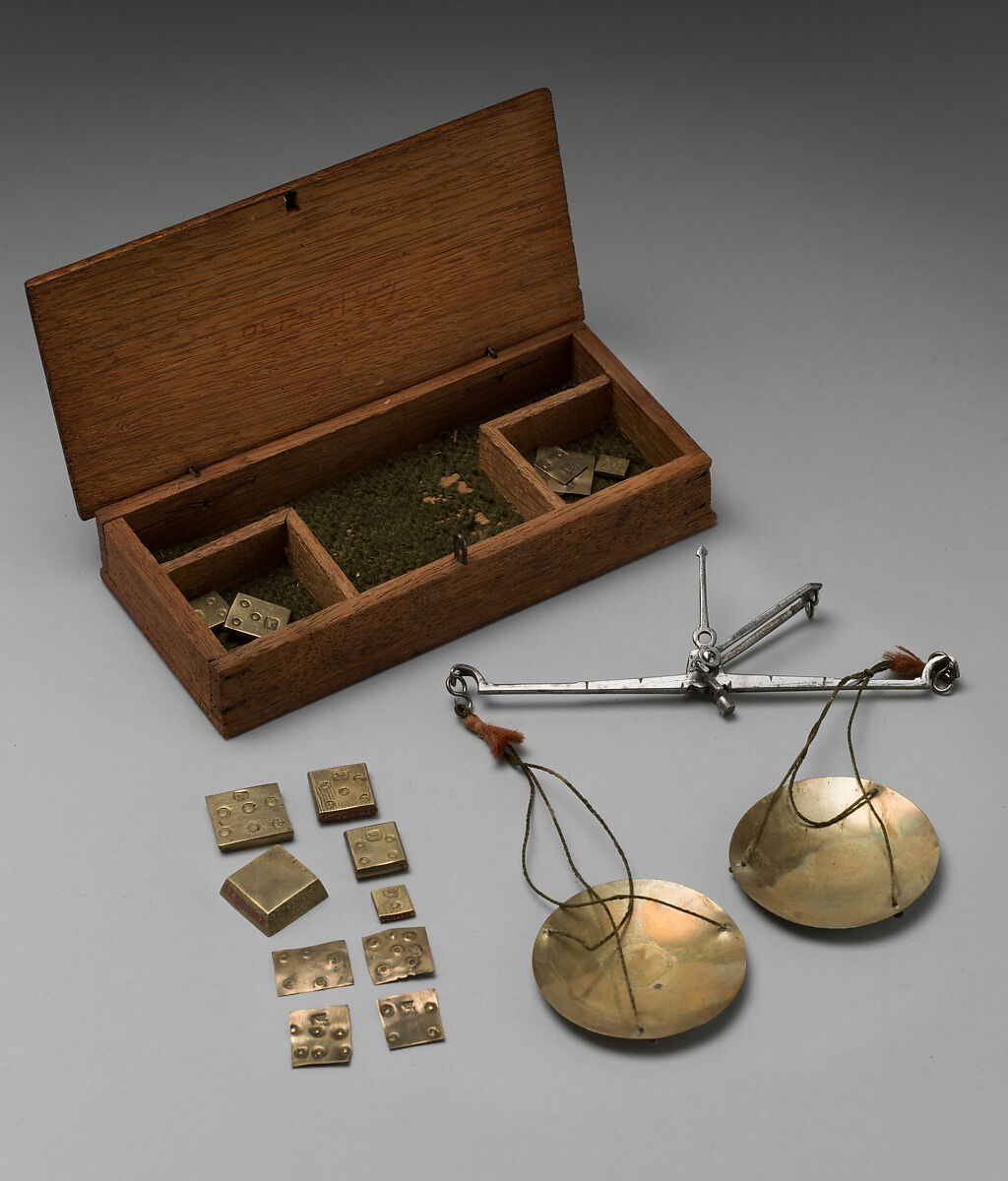
Scales and weights: British, probably 18th century. The Metropolitan Museum of Art, Bequest of Susan Dwight Bliss, 1966, 67.55.130a–s. The Met Open Access, public domain. All three images use the same square crop and animated monochrome pixel treatment.

Bring us a process

We take on a small number of design partners, including for regulated processes. We write the Work Contract with you and run the protocol on live work.

Used only to contact you about access (privacy). Investors and everyone else: hello@beverified.ai